

NICU nurses play one of the most important roles in healthcare, caring for premature and critically ill newborns during the earliest and most vulnerable stages of life. From monitoring vital signs to supporting families through emotional moments, neonatal intensive care nurses provide highly specialized care in fast-paced hospital environments.
As preterm birth rates continue to rise across the U.S., demand for skilled NICU nurses is growing rapidly. For nurses looking to make a meaningful impact while building specialized experience, neonatal intensive care offers both challenges and rewarding career opportunities.
Here’s what NICU nurses do, the skills required, and what to expect from a career in neonatal intensive care.
What Is a NICU Nurse?
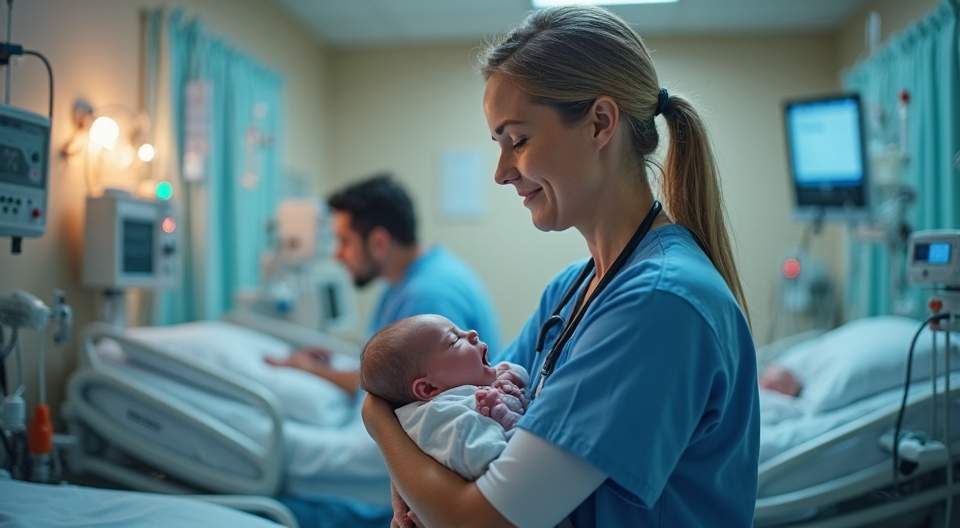
A NICU (Neonatal Intensive Care Unit) nurse is a registered nurse who specializes in caring for premature infants and newborns with serious medical conditions. These nurses work alongside neonatologists, respiratory therapists, and other healthcare professionals to provide life-saving treatment and ongoing support.
NICU nurses commonly care for babies experiencing:
- Premature birth complications
- Respiratory distress
- Low birth weight
- Infections
- Congenital conditions
- Heart or neurological complications
Because every infant requires individualized attention, NICU nursing demands both technical expertise and emotional resilience.
Why NICU Nurses Are So Important in Healthcare
NICU nurses are essential to improving outcomes for critically ill newborns. According to recent healthcare data, preterm birth rates remain a significant concern in the United States, increasing the need for specialized neonatal care teams. According to the CDC, preterm birth rates continue to impact neonatal healthcare systems across the country.
In addition to medical treatment, NICU nurses provide emotional support for parents and caregivers navigating stressful and uncertain situations. Many families spend weeks or months in the NICU, making nurses a central part of both the infant’s care and the family’s experience.
As hospitals continue facing staffing shortages nationwide, NICU travel nursing jobs and neonatal nursing opportunities remain in high demand.
NICU Nurse Duties and Responsibilities
NICU nurses manage a wide range of clinical and patient care responsibilities each day.
Common NICU Nurse Duties Include:
- Monitoring vital signs and oxygen levels
- Administering medications and IV treatments
- Assisting with feeding and nutrition support
- Operating specialized neonatal equipment
- Performing blood draws and IV placements
- Documenting patient progress
- Collaborating with neonatal care teams
- Educating and supporting parents
Many NICU nurses also respond to emergency situations requiring quick decision-making and advanced critical care skills.
Because patients in neonatal intensive care often require constant monitoring, nurse-to-patient ratios are typically much lower than in many other hospital units.
Essential Skills for NICU Nurses
Successful NICU nurses combine clinical knowledge with strong interpersonal skills.
Important NICU Nursing Skills:
- Critical thinking
- Attention to detail
- Communication
- Emotional resilience
- Time management
- Team collaboration
- Compassion under pressure
NICU nurses frequently work in emotionally intense environments where supporting families is just as important as delivering medical care.
Challenges of Working in the NICU
While neonatal nursing can be incredibly rewarding, it also comes with physical and emotional demands.
NICU nurses often work:
- Long shifts
- Overnight schedules
- High-stress critical care environments
The emotional impact of caring for critically ill infants can also contribute to burnout and compassion fatigue. Maintaining healthy coping strategies and strong support systems is essential for long-term success in neonatal nursing.
Many travel nurses appreciate the flexibility and work-life balance that travel assignments can provide while gaining experience in top neonatal care facilities across the country.
Education and Certification Requirements
To become a NICU nurse, candidates typically need to:
- Earn an ADN or BSN nursing degree
- Pass the NCLEX-RN exam
- Gain clinical nursing experience
- Pursue NICU or neonatal training opportunities
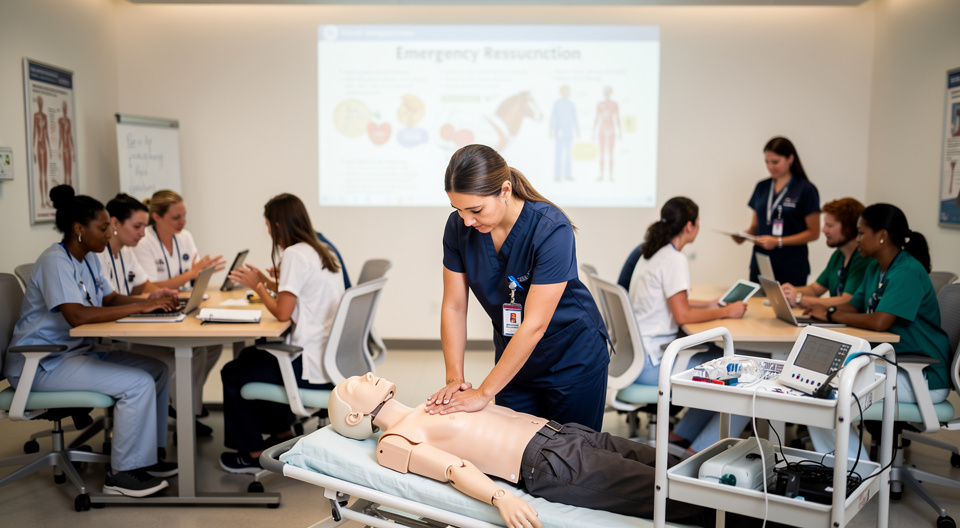
Many NICU nurses also obtain certifications such as:
- Neonatal Resuscitation Program (NRP)
- CCRN (Neonatal)
- Pediatric Advanced Life Support (PALS)
Continuing education is important as neonatal care technology and treatment practices continue evolving.
NICU Travel Nursing Jobs in 2026
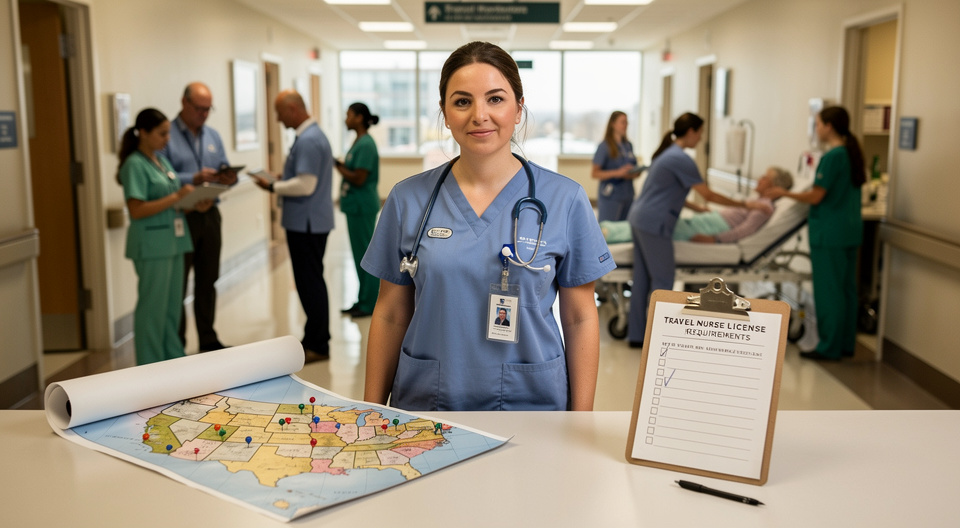
Travel NICU nursing continues to grow in popularity as hospitals seek experienced neonatal specialists nationwide.
Benefits of NICU travel nursing may include:
- Competitive weekly pay
- Housing stipends
- Flexible assignments
- Exposure to top-ranked hospitals
- Career growth opportunities
For nurses interested in combining specialized care with travel opportunities, NICU assignments offer both professional and personal rewards.
👉 Browse current NICU and neonatal travel nurse jobs on MedPro Staffing’s
Nursing Jobs Page
Is NICU Nursing a Good Career?
For nurses passionate about neonatal care, critical thinking, and making a lasting difference in patients’ lives, NICU nursing can be an incredibly fulfilling career path.
Although the role comes with challenges, many NICU nurses describe the experience as one of the most rewarding specialties in healthcare.
As demand for neonatal care professionals continues growing, NICU nursing remains a strong long-term career option with opportunities for advancement, specialization, and travel nursing flexibility.
Frequently Asked Questions
What does a NICU nurse do?
NICU nurses care for premature and critically ill newborns by monitoring vital signs, administering medications, supporting feeding, and collaborating with neonatal care teams.
How long does it take to become a NICU nurse?
Most NICU nurses complete a nursing degree, pass the NCLEX-RN exam, and gain clinical experience before specializing in neonatal intensive care.
Are NICU nurses in demand?
Yes. Rising preterm birth rates and ongoing healthcare staffing shortages continue driving demand for NICU nurses nationwide.
What certifications do NICU nurses need?
Common certifications include NRP, CCRN (Neonatal), and PALS, depending on the facility and role.