



This week’s edition of the Traveler’s Guide to Nursing and Allied Health explores 5 allied health specialties for those looking to make a change.
Just like nurses, travel allied health professions are in high demand. The Bureau of Labor Statistics projects overall employment in the healthcare field to increase by 13 percent from 2021 to 2031, with many popular allied positions expected to exceed that number.
Diagnostic Medical Sonographers and Cardiovascular Technologists and Technicians
Medical sonographers and cardiovascular technologists and technicians operate equipment that creates images and conduct tests such as sonograms and ultrasounds. They prepare exam rooms and maintain equipment before guiding patients through a procedure. They will review images for quality and adequate coverage for a proper diagnosis, then analyze findings and provide a summary of findings to physicians.
Education: Associate’s degree or certification. Certification is available from the American Registry for Diagnostic Medical Sonographers, Cardiovascular Credentialing International, and the American Registry of Radiologic Technologists.
Hourly Pay Average: $36
Currently Employed: 140,400
Expected Increase: 10 percent
Number of Additional Jobs: 14,700 jobs
Work Locations: Hospitals, physicians’ offices, outpatient care centers, medical and diagnostic laboratories.
Respiratory Therapist
Respiratory therapists care for patients with trouble breathing, such as asthma or chronic obstructive pulmonary disease (COPD). Therapists interview and examine patients, perform diagnostic tests, treat patients with various methods, and monitor and record their progress. Therapists may administer treatment to clear airways for improved breathing and show patients how to use breathing enhancement equipment.
Education: Associate’s degree in respiratory therapy from an American Medical Association-approved program such as those accredited by the Commission on Accreditation for Respiratory Care (CoARC). Employers may also require a bachelor’s degree.
Currently Employed: 133,800
Expected Increase: 14 percent
Number of Additional Jobs: 18,400
Work Locations: Hospitals, emergency rooms, critical care units, neonatal intensive care units.
Occupational Therapist
Occupational therapists treat patients with injuries, illnesses, and disabilities through the therapeutic use of everyday activities. Therapists observe patients, evaluate their condition and needs, develop a treatment plan, and identify specific goals. Often, they work with stroke victims, patients with arthritis, cerebral palsy, and more.
Education: At least a master’s degree in occupational therapy. All states require a license, with requirements varying state-to-state. Therapists must pass the national examination administered by the National Board for Certification in Occupational Therapy (NBCOT) and take continuing education classes.
Expected Increase: 14 percent
Currently Employed: 133,900
Number of Additional Jobs: 18,600
Work Locations: Hospital, private practice, schools, nursing homes, home health services.
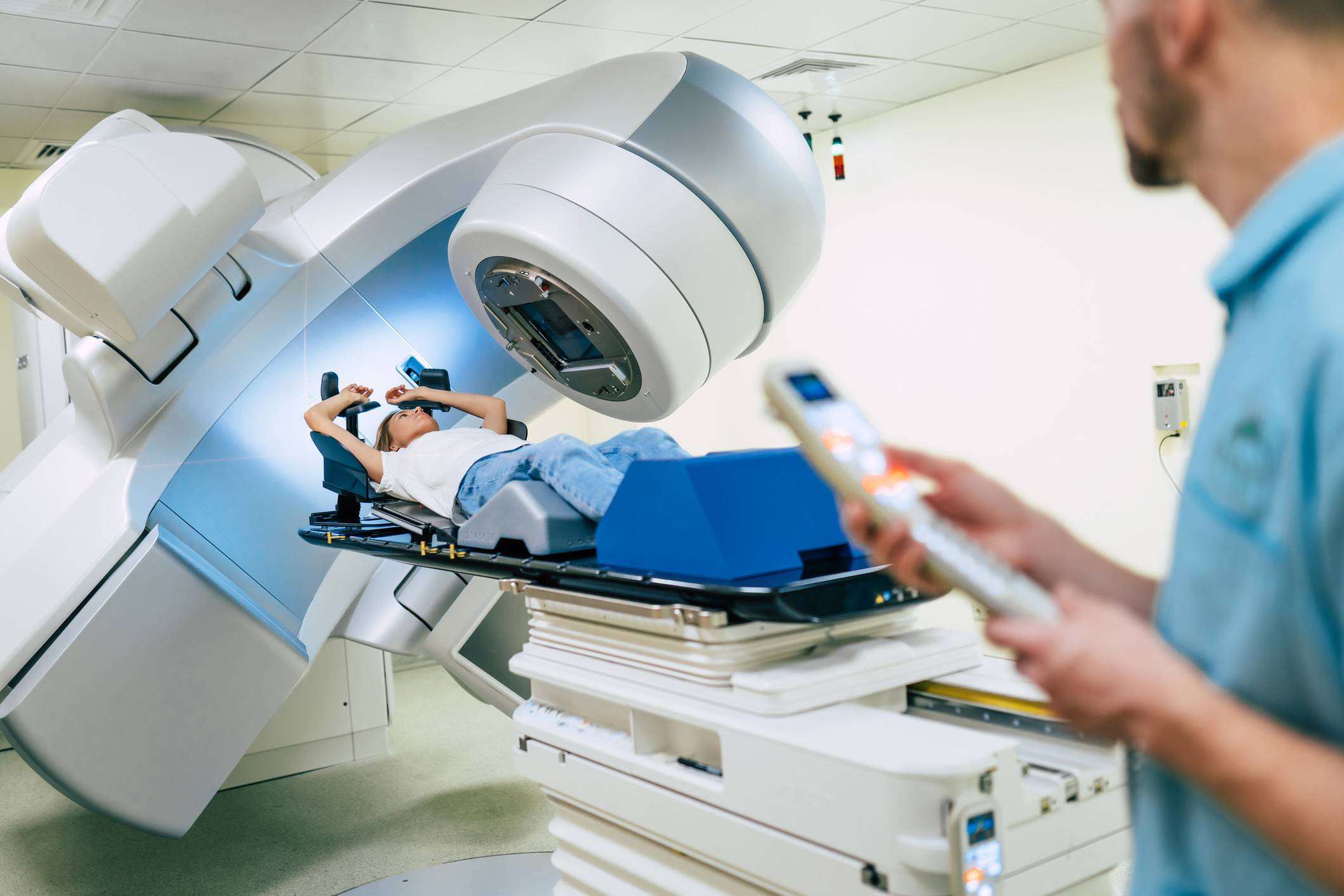
Radiation Therapist
Radiation therapists administer doses of radiation to patients’ (infants to the elderly) with cancer or other serious diseases. Business Insider ranks radiation therapist as one of the 39 highest-paying jobs to get without a bachelor’s degree.
Education: Associates or bachelor’s in radiation therapy. Most states require a license or certification from the American Registry of Radiologic Technologists (ARRT). Radiation therapists must complete an accredited training program or work full-time for two years to qualify for the certification test.
Hourly Pay Average: $63
Expected Increase: 6 Percent
Currently Employed: 16,400
Number of Additional Jobs: 1,000
Work Locations: Hospitals, doctor’s offices, outpatient centers.
Speech−Language Pathologist
Speech-language pathologists assess, diagnose, and treat patients with speech, language, voice, and fluency disorders. They also treat patients with swallowing disorders. Pathologists teach clients how to make sounds, improve their voices, and maintain fluency. U.S. News and World Report ranked speech-language pathologists as one of the 100 Best Jobs.
Education: Master’s degree in speech pathology. All states require a license, but requirements can differ.
Masters, internship residency
Hourly Pay Average: $50
Expected Increase: 21 percent
Currently Employed: 159,800
Number of Additional Jobs: 34,000
Work Locations: Hospitals, nursing or residential care facilities, private practice.
Travel allied healthcare specialties are in high demand. Consider one of these popular specialties if you’re looking for a change, challenge, or increased income. Don’t see anything just right for you? Explore more specialties at the Commission on Accreditation of Allied Health Education Programs.
Are you looking for your next assignment? Click Here for the latest Travel Nurse and Allied Health positions at MedPro Healthcare Staffing.