



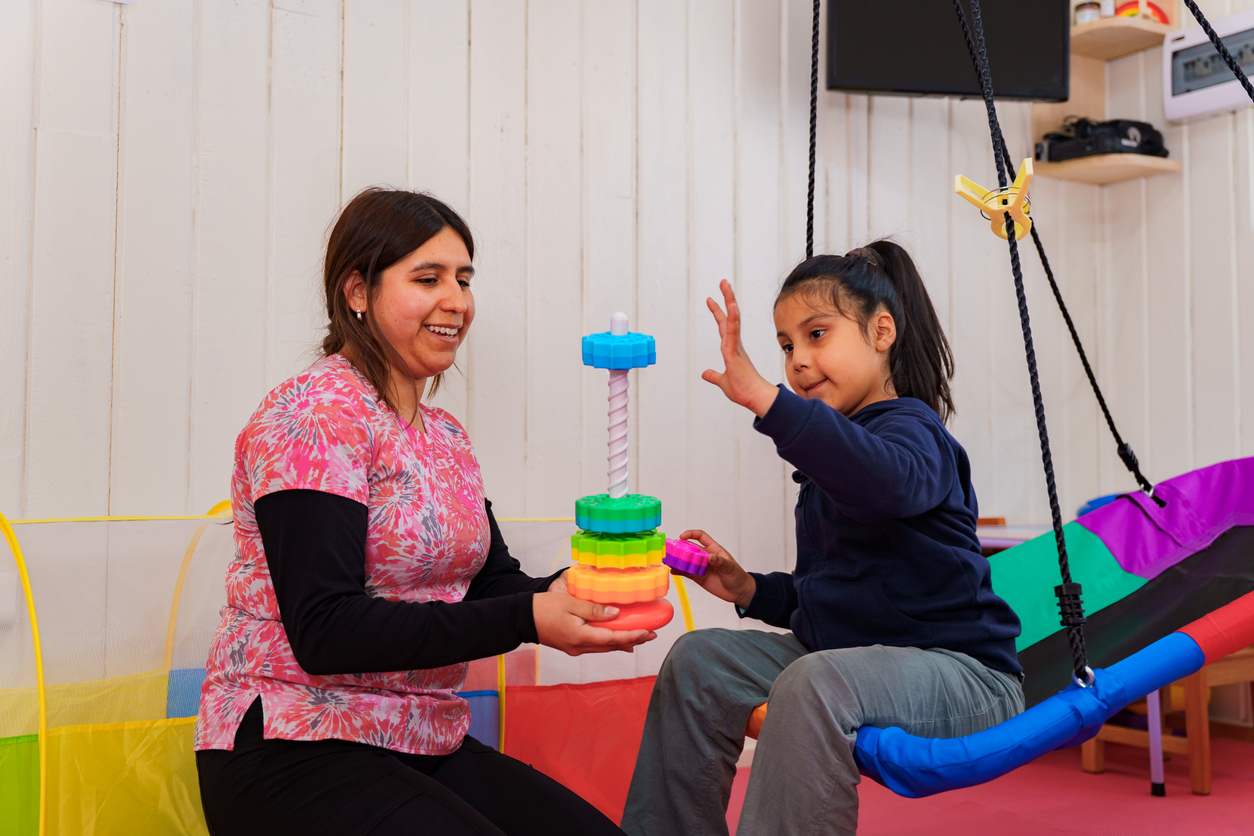
Back-to-school season isn’t just a busy time for students, teachers, and families. It’s also an important hiring period for the allied health professionals who help students learn, communicate, move, and participate more independently throughout the school day.
Occupational therapists (OTs), certified occupational therapy assistants (COTAs), physical therapists (PTs), physical therapist assistants (PTAs), speech-language pathologists (SLPs), and other specialists can play important roles in supporting students with disabilities and other needs.
As schools prepare for a new academic year, they also need qualified professionals ready to provide these services. For allied health professionals interested in working with children, the start of the school year can be a great time to explore new career opportunities.
Why Schools Need Allied Health Professionals
Schools are responsible for providing eligible students with the services and support they need to access their education. For some students, that can include occupational therapy, physical therapy, or speech-language services as part of their educational program.
Unlike many clinical environments, school-based allied health professionals focus on helping students succeed within an educational setting.
That might mean helping a student improve the fine motor skills needed to write, supporting safe movement throughout a school building, or addressing communication challenges that affect classroom participation.
As a result, allied professionals often collaborate closely with teachers, special education professionals, families, administrators, and other members of a student’s support team.
What Do School-Based OTs and COTAs Do?
Occupational therapy in schools focuses on helping students participate in activities that are important to their education.
Depending on the student’s needs, an occupational therapist may address areas such as:
- Fine motor skills
- Handwriting and classroom tasks
- Sensory processing
- Self-care skills
- Assistive technology
- Classroom participation
- Organization and functional routines
Certified occupational therapy assistants may work under the supervision of an occupational therapist to help carry out intervention plans and support students as they work toward their goals.
For OTs and COTAs who enjoy pediatrics and want to make an impact on students’ everyday lives, school-based occupational therapy can provide a different career path from hospitals, rehabilitation centers, skilled nursing facilities, and other traditional healthcare environments.
Interested in exploring occupational therapy assistant opportunities? Check out our guide to finding COTA jobs in Missouri, including licensing, employers, work settings, and career tips.
How PTs and PTAs Support Students at School
Physical therapy services in schools are designed to help eligible students access and participate in their educational environment.
School-based PTs may help students with areas such as:
- Mobility around the school
- Balance and coordination
- Positioning
- Transfers
- Accessing classrooms and school activities
- Using adaptive or mobility equipment
Physical therapist assistants may also help deliver services under the direction and supervision of a physical therapist, depending on applicable requirements.
The goal isn’t simply to improve physical abilities in isolation. It’s to help students function as independently and safely as possible during their school day.
Why SLPs Are Essential in Schools
Communication affects nearly every part of a student’s education, from participating in classroom discussions to interacting with teachers and classmates.
Speech-language pathologists may work with students experiencing challenges involving speech, language, communication, fluency, voice, or related areas that affect their educational performance.
Depending on the student and school setting, an SLP’s responsibilities can include assessments, individual or group services, collaboration with educators and families, and participation in individualized education program (IEP) planning.
Because communication plays such an important role in learning and social interaction, SLPs can be essential members of school-based support teams.
Why Back-to-School Season Matters for Allied Hiring
School-based staffing needs are closely connected to the academic calendar.
Schools and districts need qualified professionals in place to serve students throughout the year, making summer and the beginning of the school year an important period for recruiting and filling open positions.
Needs can also emerge after classes begin. Student caseloads may change, positions may remain unfilled, or districts may need additional support as they evaluate their staffing needs.
For allied professionals, that means back-to-school season can be a valuable time to:
- Update your resume
- Review licenses and certifications
- Gather professional references
- Identify the age groups or settings you’re most interested in
- Explore available allied health opportunities
- Connect with a recruiter about current openings
Being prepared can help you move more quickly when an opportunity that matches your experience becomes available.
Is a School-Based Allied Health Career Right for You?
Working in a school can be very different from working in a hospital or other clinical environment.
School-based roles may appeal to professionals who enjoy working with children, collaborating with educators, and seeing how therapy can help students participate more fully in everyday activities.
You may enjoy a school-based allied health position if you:
- Have an interest in pediatric care
- Enjoy working as part of a multidisciplinary team
- Want to help students reach functional goals
- Are comfortable communicating with families and educators
- Enjoy adapting interventions to real-world environments
- Want to explore a different setting within your allied health career
Before accepting a position, make sure you understand the role’s caseload, schedule, supervision requirements, documentation expectations, travel between schools, and any state or district-specific requirements.
Get Ready for Your Next Allied Health Opportunity
As students head back to the classroom, schools across the country are preparing for another year of learning—and allied health professionals can be an important part of helping students succeed.
Whether you’re an OT, COTA, PT, PTA, SLP, or another allied professional, back-to-school season can be a good time to evaluate your career goals and explore what’s next.
Ready for a new opportunity? Explore allied health jobs with MedPro Healthcare Staffing and find an assignment that fits your skills, experience, and career goals.