


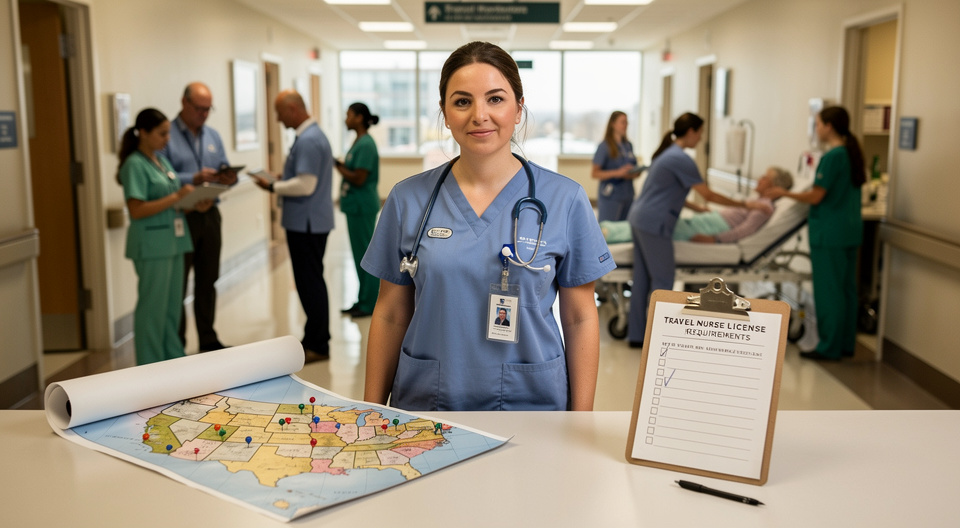

Medical-surgical nursing is fast-paced, diverse, and full of opportunities to strengthen your clinical skills. On any given shift, a Med-Surg nurse may care for patients with a wide range of diagnoses, manage multiple treatment plans, coordinate with interdisciplinary teams, and respond to rapidly changing patient needs.
For travel nurses, strong medical-surgical nursing skills are especially important. Travelers often need to adapt quickly to a new facility, learn unfamiliar workflows, and become reliable members of the care team in a short amount of time.
Whether you’re building your Med-Surg career or preparing for your next travel nursing assignment, here are 10 essential skills that can help you succeed on the medical-surgical floor.
1. Time Management
Few skills are as important for a Med-Surg nurse as effective time management.
Between assessments, medications, documentation, procedures, admissions, discharges, and patient education, priorities can change throughout a shift.
Successful Med-Surg nurses learn how to organize their workload while remaining flexible when something unexpected happens.
Helpful habits include:
- Reviewing patient information at the beginning of your shift
- Identifying time-sensitive medications and treatments
- Grouping tasks when appropriate
- Reassessing priorities throughout the day
- Completing documentation as efficiently as possible
For travel nurses, understanding a new unit’s workflow early in an assignment can make time management much easier.
2. Prioritization
When several patients need your attention at once, knowing what needs to happen first is critical.
Med-Surg nurses must continually evaluate patient needs and determine which tasks require immediate attention and which can safely wait.
Strong prioritization requires a combination of clinical knowledge, critical thinking, communication, and situational awareness.
3. Strong Assessment Skills
Your nursing assessment provides valuable information about how a patient’s condition is progressing.
Med-Surg nurses should be comfortable performing thorough assessments while recognizing subtle changes that may indicate a patient’s condition is deteriorating.
That means paying attention not only to vital signs, but also to changes in:
- Mental status
- Pain
- Breathing
- Mobility
- Skin condition
- Intake and output
- Overall appearance and behavior
Recognizing a change early gives the healthcare team an opportunity to intervene quickly.
4. Critical Thinking
Not every situation on a medical-surgical floor has an obvious answer.
Nurses regularly need to interpret patient information, recognize patterns, anticipate potential complications, and decide when additional intervention may be necessary.
Critical thinking becomes stronger with experience, but asking questions and understanding the reasoning behind treatments can help nurses continue developing this skill throughout their careers.
5. Clear Communication
Med-Surg nurses communicate constantly—with patients, families, physicians, other nurses, pharmacists, therapists, case managers, and many other members of the healthcare team.
Clear communication helps promote continuity of care and reduces the likelihood of important information being missed.
Travel nurses should also learn the communication expectations of each new facility, including escalation procedures and preferred methods for contacting providers.
6. Medication Management
Medication administration is a major part of medical-surgical nursing.
Depending on the patient population, nurses may manage oral medications, IV medications, antibiotics, pain medications, anticoagulants, insulin, and other therapies throughout a shift.
Strong medication management involves more than administering medications on schedule. Nurses also need to understand why medications are being given, monitor patients for potential reactions, and follow facility policies for safe administration.
7. Patient Education
Hospital stays can be overwhelming for patients and their families. Nurses play an important role in helping them understand what’s happening and what comes next.
Education may include:
- Medication instructions
- Wound care
- Mobility restrictions
- Dietary recommendations
- Follow-up appointments
- Warning signs to watch for
- Discharge instructions
Using clear, patient-friendly language and checking for understanding can make education more effective.
8. Adaptability
Adaptability is important for every nurse, but it’s particularly valuable for travel nurses.
Every hospital has different:
- Workflows
- Documentation systems
- Equipment
- Unit cultures
- Policies and procedures
Travel nurses often have limited orientation time, so being willing to ask questions, learn quickly, and adjust to a new environment can make the transition much smoother.
9. Teamwork
No one manages a busy medical-surgical floor alone.
Strong teamwork helps nurses coordinate care, handle busy periods, and support one another when patient needs change unexpectedly.
Being willing to communicate, offer assistance when appropriate, and ask for help when you need it can make you a valuable addition to any unit.
For travelers, establishing positive relationships with permanent staff can also make a new assignment feel much more comfortable.
10. Staying Calm Under Pressure
Some shifts simply don’t go according to plan.
An admission arrives early. A patient’s condition changes. Another patient is ready for discharge. A family needs answers. Your priorities suddenly look completely different than they did 15 minutes ago.
Being able to remain focused under pressure helps you reassess the situation, determine what needs your attention first, and communicate effectively with the rest of the team.
Staying calm doesn’t mean doing everything alone. Knowing when to ask for assistance is an important part of safe nursing practice.
How Travel Nursing Can Strengthen Your Med-Surg Skills
One advantage of travel nursing is the opportunity to experience different healthcare environments.
Working with new teams, patient populations, technologies, and facility workflows can help experienced Med-Surg nurses expand their knowledge while developing even greater adaptability and confidence.
Each assignment can introduce you to a different way of working—and give you new experiences to carry into your next role.
Ready for Your Next Med-Surg Travel Nursing Assignment?
Medical-surgical nursing requires organization, clinical judgment, adaptability, and excellent communication. Developing these skills can help you become a stronger nurse whether you’re working at your longtime facility or arriving for your first day of a new travel assignment.
Ready to put your Med-Surg experience to work somewhere new?
Browse Med-Surg Travel Nursing Jobs
Explore Current Travel Nursing Opportunities