


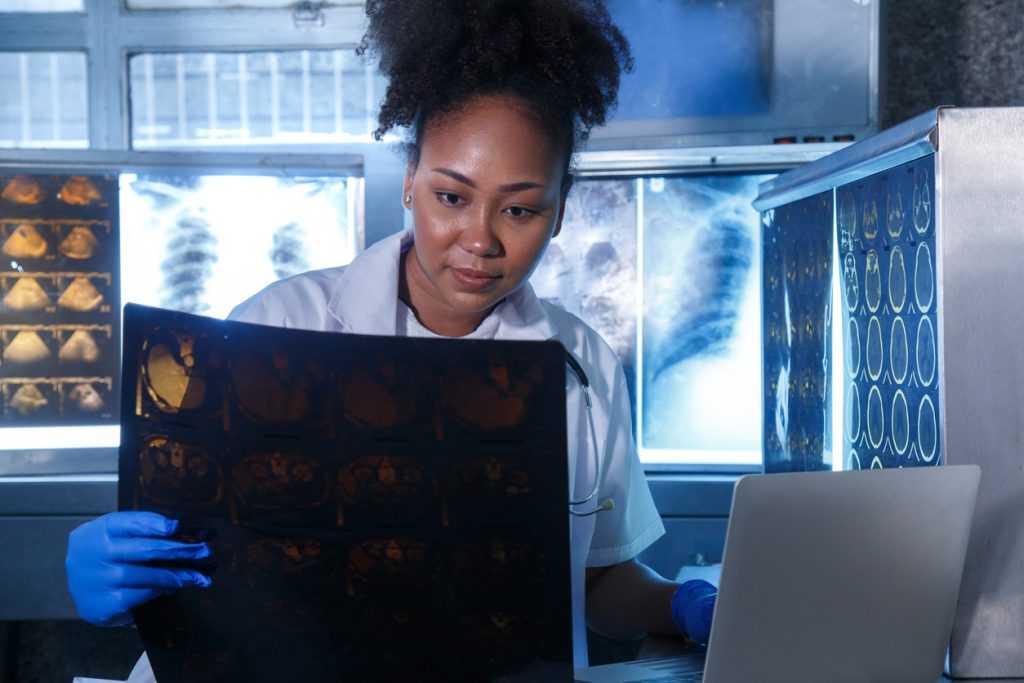

If you enjoy working with medical imaging technology, providing hands-on patient care, and experiencing new places, becoming a traveling radiologic technologist could be an exciting next step in your career.
Traveling radiologic technologists, sometimes called travel radiology techs or travel rad techs, take temporary assignments at healthcare facilities that need additional imaging professionals. Like permanent radiologic technologists, they perform diagnostic imaging procedures and work closely with patients and healthcare teams. The difference? Travelers bring their skills to facilities in different cities and states for temporary assignments.
From performing diagnostic imaging to adapting to new healthcare environments, here’s what a traveling radiologic technologist does and what you should know about pursuing a career in travel radiology.
What Is a Traveling Radiologic Technologist?
A traveling radiologic technologist is an imaging professional who works temporary assignments at healthcare facilities that need additional staffing support. Depending on their credentials and experience, radiologic technologists may perform X-rays or work in other imaging modalities.
Travelers typically perform many of the same clinical responsibilities as permanent staff members. However, because they move between facilities, they also need to be comfortable adapting to new teams, equipment, workflows, and patient populations.
For professionals who enjoy change and want to experience different healthcare environments, travel radiology can provide an opportunity to expand both their clinical and professional experience.
What Does a Traveling Radiologic Technologist Do?
The exact responsibilities of a travel radiologic technologist depend on the facility, imaging modality, and assignment.
Common responsibilities may include:
- Preparing patients for diagnostic imaging procedures
- Explaining procedures and answering patient questions
- Positioning patients and imaging equipment
- Operating diagnostic imaging equipment
- Following radiation protection and safety procedures
- Producing high-quality diagnostic images
- Reviewing images for appropriate positioning and quality
- Maintaining accurate patient records
- Following facility-specific policies and procedures
- Collaborating with radiologists, physicians, nurses, and other healthcare professionals
Patient care is also an important part of the job. Radiologic technologists may work with patients who are injured, ill, anxious, or experiencing limited mobility, making communication and compassion valuable skills alongside technical expertise.
Where Do Traveling Radiologic Technologists Work?
Traveling radiologic technologists can work in a variety of healthcare environments depending on their qualifications and available assignments.
Hospitals
Hospitals are a common setting for travel radiology professionals. Depending on the position, technologists may perform imaging for patients in emergency departments, inpatient units, operating rooms, or dedicated radiology departments.
Working in a hospital can expose travelers to a wide variety of patients, procedures, and clinical situations.
Outpatient Imaging Centers
Diagnostic imaging centers may also employ radiologic technologists to perform scheduled imaging procedures.
These environments can provide a different experience from hospital-based radiology departments, particularly for travelers interested in primarily working with scheduled outpatient procedures.
Physician Offices and Specialty Clinics
Some physician practices and specialty clinics have imaging equipment on-site. Orthopedic practices, for example, may use X-rays to evaluate fractures, injuries, and musculoskeletal conditions.
Available travel settings will vary depending on current facility staffing needs and the traveler’s qualifications.
What Imaging Specialties Can Radiologic Technologists Pursue?
Radiologic technology includes more than conventional X-ray imaging.
Depending on your education, credentials, clinical experience, and eligibility, you may be able to pursue additional imaging specialties throughout your career.
The American Registry of Radiologic Technologists (ARRT) offers credentials across several disciplines, including:
- Radiography
- Computed Tomography (CT)
- Magnetic Resonance Imaging (MRI)
- Mammography
- Cardiac Interventional Radiography
- Vascular Interventional Radiography
Developing experience in additional modalities can broaden your professional skill set and may qualify you for different types of assignments.
Before pursuing another credential, review the applicable education, clinical experience, ethics, and examination requirements to determine whether it aligns with your long-term career goals.
What Are the Requirements for Travel Radiology Jobs?
Requirements for travel radiology jobs vary by state, healthcare facility, specialty, and individual assignment.
Employers may consider:
- Education and training
- Professional certification or registration
- State licensure, where applicable
- Current BLS certification
- Relevant clinical experience
- Experience with specific imaging equipment or procedures
- Additional credentials required for specialized modalities
Travel positions may also require previous clinical experience because travelers need to become comfortable with a new facility’s procedures and expectations relatively quickly.
Licensing requirements can vary by state, so traveling to a new destination may require additional preparation before you can begin an assignment.
What Skills Does a Traveling Radiologic Technologist Need?
Technical ability is essential, but successful travelers also rely on skills that help them transition between healthcare environments.
Adaptability
Every healthcare facility operates differently. Travelers may encounter new equipment, workflows, documentation systems, and team structures from one assignment to another.
Being able to learn quickly and adapt to change is an important part of travel healthcare.
Communication
Radiologic technologists communicate with patients, radiologists, physicians, nurses, and other healthcare professionals throughout their shifts.
Clear communication is particularly important when you’re joining a new team and learning how a facility operates.
Attention to Detail
Proper patient positioning, imaging quality, documentation, and radiation safety all require careful attention.
Patient Care
Imaging can be intimidating for some patients. The ability to explain procedures clearly, listen to concerns, and help patients feel comfortable can make a meaningful difference in their experience.
Independence
Travelers may have a shorter orientation period than permanent employees. Being confident in your clinical abilities and comfortable working independently can help you transition successfully into a new assignment.
What Are the Benefits of Becoming a Traveling Radiologic Technologist?
Travel radiology can offer more than a change of scenery.
Experience New Destinations
One of the most recognizable benefits of travel healthcare is the opportunity to work in different parts of the country.
Depending on available assignments, your career could give you the chance to experience a city or state you’ve always wanted to visit while continuing to work in your profession.
Expand Your Clinical Experience
Moving between healthcare facilities can expose you to different equipment, procedures, patient populations, and approaches to care.
Over time, those experiences can help you develop a broader professional perspective.
Grow Your Professional Network
Each assignment gives you an opportunity to meet new imaging professionals and other members of the healthcare team.
Building relationships across multiple facilities can expand your professional network throughout your travel career.
Enjoy Greater Geographic Flexibility
Rather than committing to one facility or location long term, travel healthcare allows qualified professionals to consider opportunities in different destinations as assignments become available.
The more flexible you are about location, shift, and facility type, the more opportunities you may have to consider.
How Much Does a Traveling Radiologic Technologist Make?
There isn’t one standard salary or weekly pay rate for every traveling radiologic technologist.
Compensation can vary based on factors such as:
- Location
- Imaging specialty
- Professional experience
- Shift
- Facility needs
- Assignment length
- Certifications and credentials
- Current market demand
Travel compensation packages may also be structured differently from permanent staff compensation. When comparing opportunities, review the complete pay package and assignment details rather than focusing on a single advertised number.
If compensation is one of your biggest priorities, talk with your recruiter about current opportunities and the factors affecting pay in the destinations you’re considering.
Is Becoming a Traveling Radiologic Technologist Right for You?
Travel radiology can be a rewarding career path, but it’s important to consider whether the lifestyle fits your personality and professional goals.
You may enjoy working as a traveling radiologic technologist if you:
- Enjoy experiencing new places
- Adapt quickly to unfamiliar environments
- Feel confident in your clinical skills
- Like meeting and working with new people
- Are comfortable learning new workflows
- Want exposure to different healthcare facilities
- Prefer flexibility over remaining in one location long term
Traveling also requires planning. You’ll need to think about housing, transportation, licensing, credentialing, assignment dates, and what happens between contracts.
Understanding both the professional and lifestyle aspects of traveling can help you determine whether it’s the right next step.
How Do You Become a Traveling Radiologic Technologist?
The exact path depends on your education, credentials, experience, specialty, and where you want to work.
Generally, aspiring travelers will need to complete the appropriate radiologic technology education, obtain applicable credentials and licenses, gain relevant clinical experience, and meet the requirements of the individual travel assignment.
Because we’ve covered this process in detail elsewhere, you can read our complete guide on how to become a traveling radiology tech for a step-by-step look at preparing for a travel career.
Once you’re qualified and ready to travel, you can begin searching for assignments that match your experience, credentials, preferred locations, and career goals.
Find Travel Radiology Jobs With MedPro
Being a traveling radiologic technologist can give you the opportunity to combine your imaging expertise with new clinical experiences and destinations.
At MedPro Healthcare Staffing, our team works with allied health professionals to help them find travel assignments that align with their experience and career goals. From searching for opportunities to preparing for your next assignment, you’ll have support throughout your travel journey.
Whether you’re a radiologic technologist ready to take your skills on the road or an experienced traveler searching for your next destination, your next opportunity could be waiting.
Ready to see where travel radiology can take you? Explore current travel radiology jobs with MedPro Healthcare Staffing.
Frequently Asked Questions
What is a traveling radiologic technologist?
A traveling radiologic technologist is an imaging professional who takes temporary assignments at healthcare facilities with staffing needs. Travelers perform diagnostic imaging duties based on their credentials, experience, specialty, and the requirements of the facility.
Is a traveling radiologic technologist the same as a travel rad tech?
Traveling radiologic technologist, travel radiology tech, and travel rad tech are commonly used to describe professionals who perform radiologic imaging while working temporary healthcare assignments. Specific job titles may vary by employer and imaging specialty.
What does a traveling radiologic technologist do?
Traveling radiologic technologists perform diagnostic imaging procedures, prepare and position patients, operate imaging equipment, follow radiation safety protocols, maintain documentation, and collaborate with other healthcare professionals.
Where can traveling radiologic technologists work?
Traveling radiologic technologists may find opportunities in hospitals, outpatient imaging centers, physician offices, specialty clinics, and other healthcare facilities that provide diagnostic imaging services.
What certifications does a travel radiologic technologist need?
Requirements depend on the specialty, state, facility, and assignment. Employers may require professional certification or registration, state licensure where applicable, BLS certification, relevant clinical experience, and additional credentials for specialized imaging modalities.
How do I find traveling radiologic technologist jobs?
Once you meet the necessary professional and assignment requirements, you can search travel radiology jobs by specialty, location, shift, and facility. Working with an allied healthcare recruiter can also help you identify assignments that match your qualifications and career goals.